Guests don’t discover luxury venues the way they used to. Before anyone calls to enquire about a private function venue or private dining room, or books a table for a special occasion, they’re checking your Instagram grid, watching your Reels, and reading what other guests have said. Social media has become the new front door of hospitality, and for venues chasing a premium clientele, that front door needs to look the part.
Recent research backs this up. A growing share of diners now say they’d rather search social media than a traditional search engine when deciding where to eat or host an event, from an intimate anniversary dinner to one of the many corporate event venues competing for attention, and a strong social strategy has been linked to a meaningful lift in venue revenue. For luxury hospitality brands, the opportunity isn’t just visibility. It’s positioning. Done well, social media builds the kind of authority that gets a venue chosen over the venue next door.
Here’s what luxury venues need to know to build a stronger luxury venue social media strategy, along with practical social media tips for restaurants and bars looking to make social media work harder for the brand.
Your profile is doing more work than you think.
Before someone books, they check your profile. A polished bio, clear contact details, and a link that actually takes guests where they need to go (menu, enquiry form, booking page) all matter. For a luxury venue, this is your digital concierge desk. It should answer the obvious questions before a guest has to ask: what kind of experiences do you host, where are you located, and how do they get in touch?
Use story highlights to do some of the selling for you. Past events, behind-the-scenes setup, guest reviews, and glimpses of the space in different configurations all belong here, giving new visitors a fast, credible snapshot of what booking with you actually looks like.
Show the experience, not just the venue.
Luxury guests aren’t just buying a room. They’re buying an experience, and social content should sell that experience before anyone walks in. Wide shots of an empty function room rarely do this. Motion does: a table being styled, a bar being set, ideal footage for showcasing our premium mobile bar service, and a room filled with guests and candlelight.
Content that captures atmosphere and energy consistently outperforms content that just documents a space. Think champagne being poured, florals being arranged, a room transforming from empty to full. This is where video earns its keep, particularly short-form content built around a strong visual hook in the first few seconds.
Let your people be part of the story.
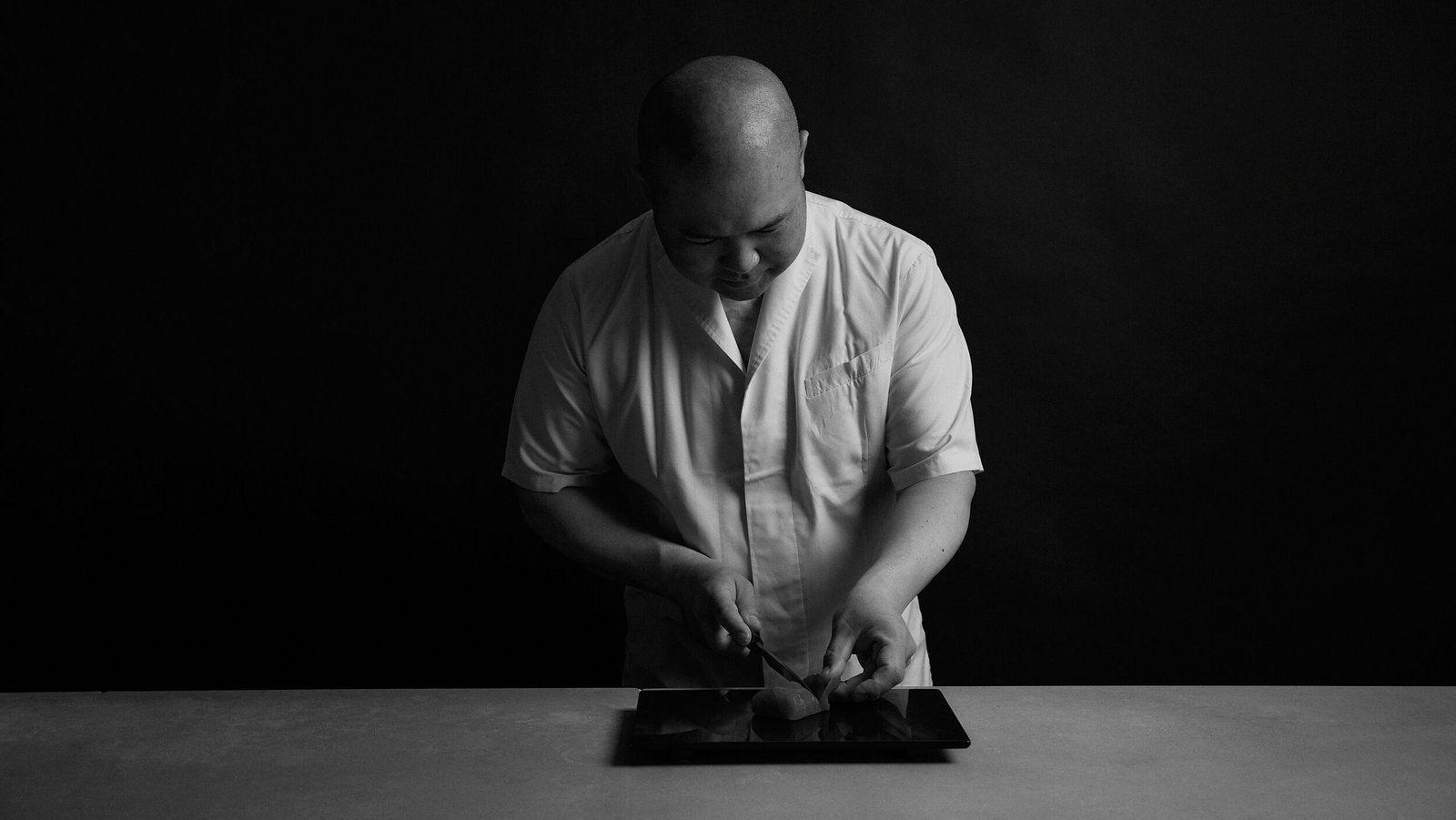
Audiences are increasingly drawn to real, human content, especially as more of their feeds fill with generic or AI-generated posts. For a luxury venue, this is an advantage. The event coordinator planning down to the smallest detail, the head chef finishing a plate, and the bar team building a signature cocktail: these are the moments that build trust and personality.
Spotlighting your team humanises the brand and gives guests a reason to believe the experience will be as considered as the content suggests.
Build a content rhythm, not a content scramble.
Consistency beats intensity. Three to four polished posts a week on your main feed, supported by more frequent story updates, is a sustainable cadence for most venues. Timing matters too: content tends to land best when people are actively making decisions, such as mid-morning when they’re planning the week ahead or mid-afternoon when they’re thinking about where to go after work.
Tie content to what’s actually happening: a new seasonal menu, an upcoming event, a styling refresh. Timely, relevant content consistently performs better than generic posts with no connection to the moment.
Treat guest content as word of mouth.
User-generated content is one of the most valuable assets a luxury venue has, and it costs nothing to produce. When a guest tags your venue after an event, that’s a genuine endorsement carrying more weight than most paid advertising.
Make it easy to happen. Branded hashtags on menus or event signage, a clear handle in your bio, and a habit of resharing guest content (with permission) all encourage more of it. Over time, this becomes a steady stream of authentic proof that your venue delivers.
Use influencer and creator partnerships with intent.
Partnering with the right creators can put a luxury venue in front of an entirely new audience, but fit matters more than follower count. A smaller, engaged local creator whose audience matches your ideal guest is often more valuable than a broad, disconnected reach.
Treat these partnerships properly: clear briefs, clear deliverables, and a single point of contact. And once the content is created, get more mileage from it. A single shoot with a creator can be repurposed across organic posts, paid ads, and your website for months.
Pay attention to what’s working, and be ready to shift.
Track what resonates and be honest about what doesn’t. A strong social strategy isn’t set and forgotten. It adjusts as your audience, events calendar, and seasons change. Boosting your best-performing organic content with paid spend is one of the simplest ways to extend its reach without starting from scratch.
Respond like it’s part of the guest experience.
For a luxury venue, service doesn’t stop at the front door, and neither should it stop online. Comments, direct messages, and mentions are part of the guest journey now. A prompt, warm response to a question about availability or a compliment on last weekend’s event reinforces the same standard of care guests expect in person.
The takeaway.
Social media isn’t a side project for luxury venues. It’s the first impression, the proof point and often the deciding factor between an enquiry and a booking elsewhere. Venues that treat their social presence with the same care as their physical space, consistent, considered, and genuinely reflective of the guest experience, are the ones building lasting authority in a crowded market.