A famous name felt like a shortcut to brand success. Launch with a celebrity, flood social media, convert the fanbase. It worked until it didn’t. Even the most sophisticated Meta Advertising Agency will tell you that fame alone can no longer carry a brand.
In late 2025, Gwen Stefani’s Gxve Beauty went dark, with its website and social accounts quietly disappearing. Drew Barrymore’s Flower Beauty closed in September after 13 years. These aren’t fringe brands; they’re household names backed by global celebrities with tens of millions of followers.
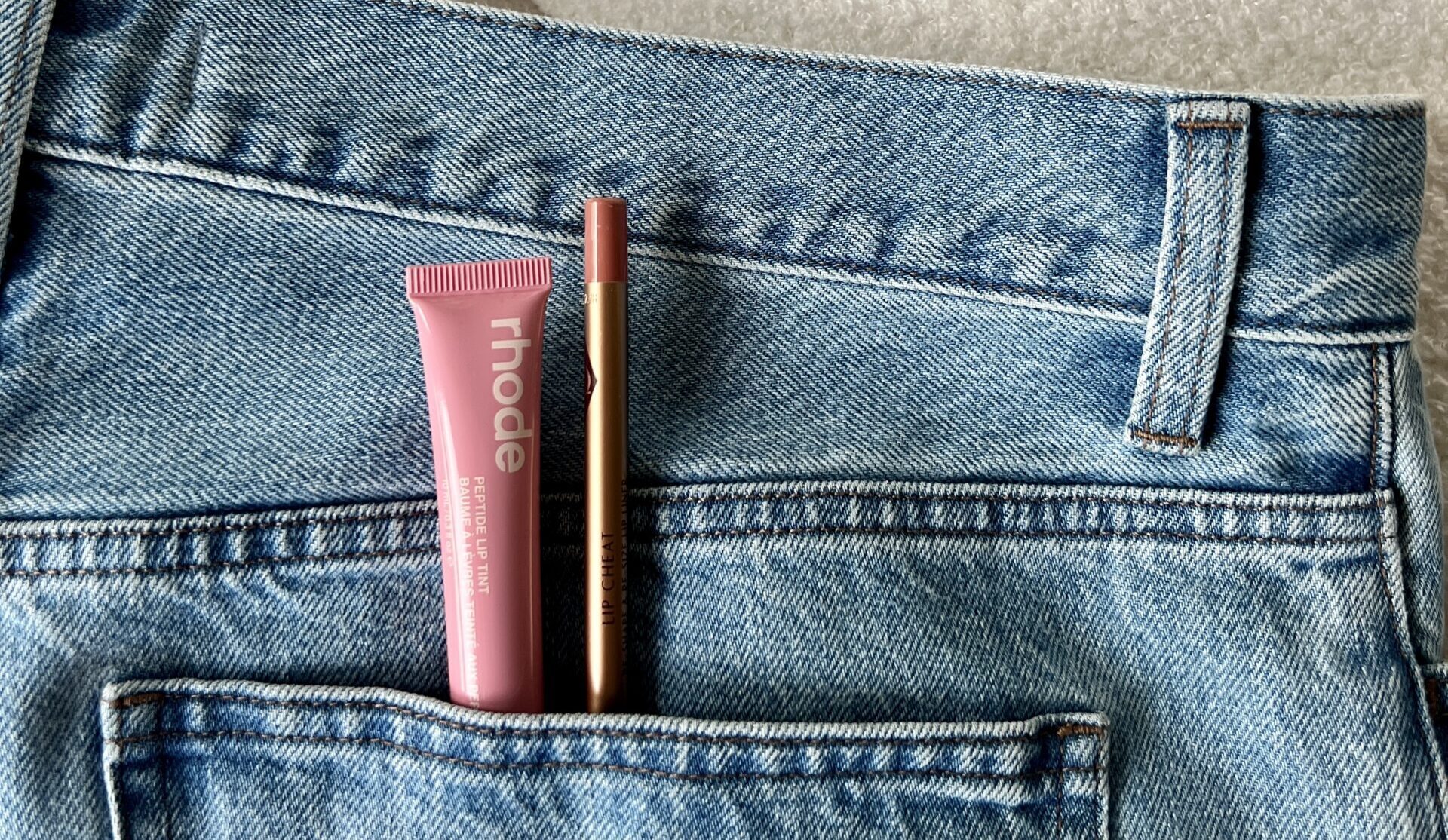
Meanwhile, Hailey Bieber sold Rhode to e.l.f. Beauty for $1 billion. In three years. With ten products. Selling exclusively through its own website. The contrast tells you everything you need to know about where marketing authority actually comes from in 2026.
Why Rhode worked when others didn’t.
Rhode didn’t succeed because Hailey Bieber is famous. It succeeded because she built something with genuine substance and marketed it that way.
In just three years, Rhode generated $212 million in net sales and became the number one skincare brand in earned media value globally in 2024, with 367% year-over-year growth.
Only 15% of that earned media mentioned Bieber by name. The rest came from micro-influencers, skincare enthusiasts, and everyday users who genuinely loved the product. That’s the distinction. Rhode built and owned a community. Most celebrity brands are built on borrowed ones.
The brand also stayed deliberately tight: ten products, all under $38, all solving a specific problem. Every launch was treated as a cultural moment. The “glazed doughnut skin” aesthetic gave people something to aspire to. And Bieber was genuinely involved, not just a face on the packaging but a visible founder who shared her real routine, engaged with customers, and shaped the product itself.
What the failures had in common
The brands that collapsed followed a different playbook. Celebrity as a shortcut. Fame as a substitute for strategy. Big launches with little substance underneath.
Gen Z consumers are more marketing-literate than any generation before them. They can tell the difference between a founder who built something and a celebrity who lent their name to it. And they consistently choose the former.
The other failure pattern is relying entirely on rented platforms and rented audiences. When the algorithm shifts or the cultural moment passes, there’s nothing left to hold the brand up.
What this means for your brand
You don’t need a celebrity; you need a point of view, community, and consistency. Success comes from quality content, clear positioning, and strong audience relationships, often supported by SEO services in Brisbane and a strong social media agency in Brisbane approach to maximise reach and engagement.
Build your strategy around three things:
- Owned media first. Your channels, your voice, your community. Rhode hit $212 million in revenue without a single retail partner purely through direct customer relationships. Don’t rent an audience; build one.
- Content that earns attention, not just impressions. Rhode became the number one skincare brand in earned media with zero traditional advertising spend. That happened because the content was genuinely worth sharing, visually distinctive, emotionally resonant, and community-driven.
- Substance over association. What does your brand actually stand for, deliver, and know? That’s your long-term authority. And unlike a celebrity deal, it doesn’t expire.
Content that earns attention, not just impressions. Rhode became the number one skincare brand in earned media with zero traditional advertising spend. That happened because the content was genuinely worth sharing, visually distinctive, emotionally resonant, and community-driven. To learn how emotional storytelling drives real results, read our blog on emotional marketing.
The bottom line
The beauty industry just showcased a key shift: brands with genuine founders and strong marketing strategies outperformed those relying on celebrity endorsements. Rhode sold for a billion, while others closed down.
The era of celebrity as a substitute for strategy is over. The future belongs to brands that foster real equity in their content and community.
At Patch Agency, we help fashion and beauty brands create lasting marketing strategies. If you’re ready to own attention instead of renting it, let’s talk.